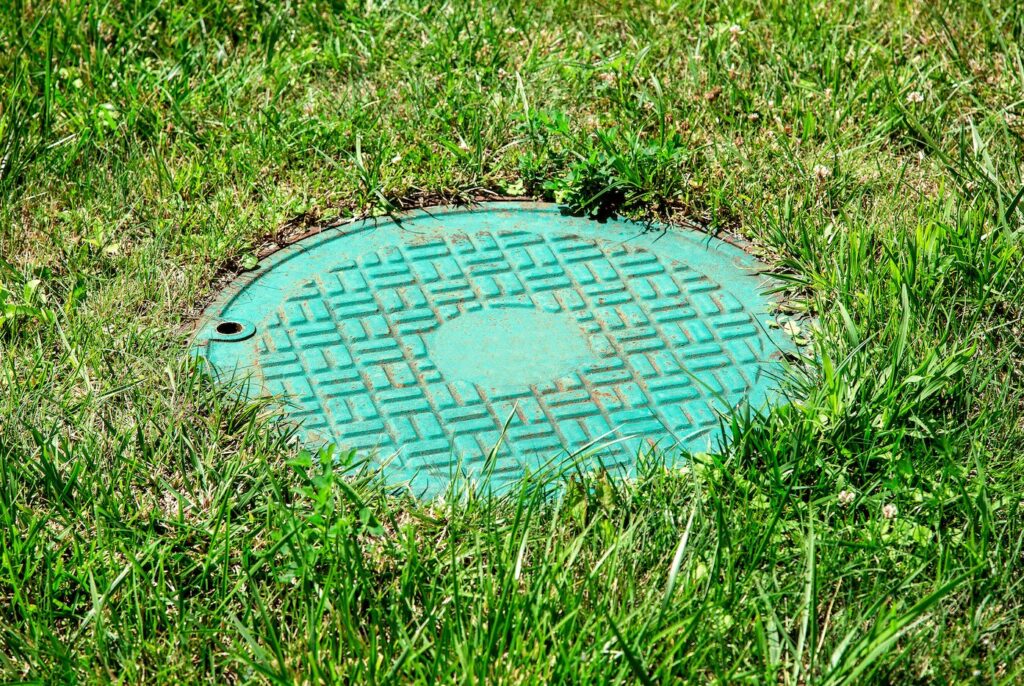
If you live in the Delaware Valley, you already know May doesn’t mess around when it comes to rain. One minute it’s a light spring sprinkle, and the next your backyard looks like it’s trying to become a pond. And while soggy lawns and muddy shoes might seem like the worst of it, all that extra water can cause major problems underground, especially if you’re on a septic system.
We see it every year. Clients start noticing slow drains, weird smells, or squishy ground near their drain field, and it’s usually not just because it rained, but because stormwater runoff overwhelming their septic system.
When it rains — and we mean really (italic) rains — that water doesn’t just soak into the ground and disappear. It runs off your roof, your driveway, your patio, and even your neighbor’s yard. And unless your property is perfectly graded (which most aren’t), a lot of that water ends up right around your septic tank and drain field.
Now, your septic system is designed to handle the wastewater that comes from inside your house, just not too many back-to-back rain heavy days . When that soil around your system gets oversaturated from heavy rains, it can’t absorb anything else. Your drain field is your septic system’s final stop. It’s where the treated water is supposed to filter back into the soil. But if that area is flooded from rain, it can’t do its job. Wastewater starts lingering, odors pop up, toilets flush slower, and, horror of horrors, sewage eventually starts backing up into your home.
And no one wants to spend their Memorial Day weekend dealing with that.
If you’ve got standing water, especially near your tank or drain field, or if things just feel… off, trust your gut and give us a call. A quick inspection can help assess future issues. And if it’s been a minute since your last septic tank pumping, spring is the perfect time to take care of it, before summer guests and outdoor activities ramp up your usage.