5 Septic System Myths Debunked
Summary: Many long‑standing septic system myths sound harmless, but believing them can quietly shorten your system’s lifespan, cost you thousands in repairs, and create messy problems no Pennsylvania homeowner wants to deal with. Understanding what’s true helps you protect your home, your yard, and your wallet.
A septic system is one of those household essentials most folks don’t think about until something goes wrong. And because it’s out of sight, it’s easy for myths, shortcuts, and “my neighbor said…” advice to spread like wildfire.
The truth is, a septic system is a living ecosystem that is part of your Newtown Square home’s infrastructure, and treating it right keeps everything functioning properly. In this guide, Del Val Septic, Sewer & Storm debunks the most common septic myths that lead homeowners astray.
Whether you’re new to owning a septic system or have had one for years and just want to avoid costly mistakes, this information will help you care for your system with confidence.
Top 5 Septic System Myths Busted
- Septic Myth 1: Additives Replace Septic Pumping
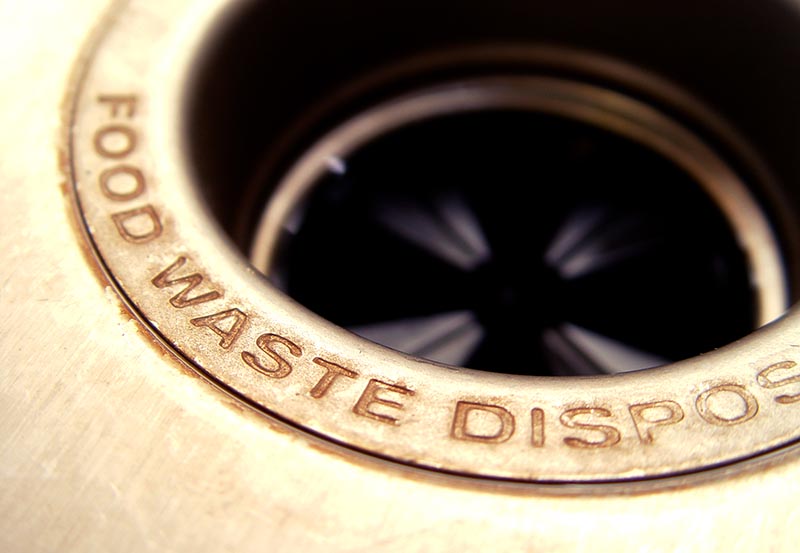
- Septic Myth 2: Garbage Disposals Are Fine to Use With Septic Tanks
- Septic Myth 3: Bigger Septic Tanks Solve Everything
- Septic Myth 4: If Everything Is Flowing, You Don’t Need to Pump
- Septic Myth 5: No Issues Means Your Septic System Is Fine
Myth 1: Septic Tank Enzyme Additives Replace Pumping
Septic tank additives, whether marketed as “enzymes” or “good bacteria boosters,” promise to keep your tank clean without pumping. Sounds convenient, right? Unfortunately, it’s not how septic systems work.
Additives may break down some solids, but they cannot remove sludge. Only pumping physically removes the buildup at the bottom of your tank. In some cases, additives can even partially dissolve solids, allowing them to flow into the drain field and causing expensive damage.
Regular pumping every 1–3 years is the gold standard for keeping your system healthy.
Myth 2: Garbage Disposals Are Fine to Use With Septic Tanks
Garbage disposals are not septic‑friendly. When you grind food scraps, they don’t magically turn liquid—they become just small enough to flow through pipes and avoid becoming a clog (most of the time)—and they end up as extra solids your tank must process.
Those solids increase sludge levels, force more frequent pumping, and can overwhelm the system. Grease, fibrous foods, and coffee grounds are especially problematic. If you have a septic system, it’s best to limit or avoid using the garbage disposal altogether. Composting or tossing scraps in the trash is far kinder to your septic tank.
Myth 3: Bigger Septic Tanks Solve Everything
A larger septic tank might seem like a cure‑all, but size alone doesn’t fix underlying issues. A bigger tank simply gives solids more room to accumulate; it doesn’t address drainage issues, soil absorption issues, excessive water usage, or poor system design or installation.
Septic systems rely on balance: tank size, drain field capacity, soil type, and water usage all work together. When one part struggles, the whole system feels it.
Myth 4: If Everything Is Flowing, You Don’t Need to Pump
This myth is one of the sneakiest. Septic systems will continue “working” even as they quietly head toward failure. Water may still drain, toilets may still flush, and sinks may still run, but sludge may be creeping dangerously close to the outlet baffle.
By the time you notice slow drains, odors, or backups, the damage is already done. Pumping on a schedule—not based on symptoms!—is the best way to prevent costly repairs. Think of it like changing your car’s oil: you don’t wait for the engine to seize before taking action.
Myth 5: You’ve Never Had an Issue, So Your Septic System Is Fine
A trouble‑free past doesn’t guarantee a trouble‑free future. Septic systems age, drain fields wear down, and soil conditions change. Even if you’ve never had a backup, your tank may be overdue for pumping, or your drain field may be slowly clogging.
Periodic inspections help catch small issues before they become big ones. A system can appear perfectly functional while quietly accumulating solids or developing early drain field stress.
Keeping proactive in your septic system care keeps your system healthy for decades.
Schedule Routine Septic Care With the Newtown Square Pros
Septic systems aren’t complicated, but they do require care, and separating fact from fiction is the first step. Additives can’t replace pumping, garbage disposals add unnecessary strain, bigger tanks aren’t magic fixes, flowing drains don’t guarantee health, and a quiet system isn’t always a healthy one. With a little knowledge and regular maintenance from Del Val Septic, Sewer & Storm, you can keep your septic system running smoothly and avoid costly surprises. Schedule your one-time septic system pumping and inspection by calling (484) 326-2042 or clicking to request service online.