
Why Is My Septic Alarm Going Off If the Tank Isn’t Full?
When your septic system alarm rings, you might assume the tank is full and will back up into your Springfield, PA, home unless you can get an emergency pump-out asap.
You check the tank, and are surprised to see the liquid level looks normal. The tank isn’t full and doesn’t need a pump-out. You’re left wondering, what set the alarm off, and how concerned should you be?
At Del Val Septic, Sewer & Storm, we believe the more educated you are about your home septic system, the better decisions you’ll make when its emergency alarm sounds. We work with homeowners across Pennsylvania who need septic system maintenance, repair, and installation, and we respond to septic tank emergencies.
Understanding how septic alarms work, what they monitor, and which mechanical or electrical issues can trigger them will help you troubleshoot problems and protect your home from damage.
How Does My Septic System Work?
If you are a new septic system owner or are purchasing a home with a septic system, it helps to understand its components.
Wastewater flows from your home to the septic tank, through a filter, and to the septic field on your property. About 20 percent of homes in the U.S. use a septic system to treat their wastewater. Most homes rely on gravity for wastewater flow.
When wastewater enters your septic tank, an equal amount flows out to the septic field. Solids in the wastewater settle to the bottom of the septic tank before the liquid moves to the septic field. Gravity does all the work without mechanical or electric assistance.
Tanks that sit lower than the septic field need pumps to move the wastewater to higher ground. The wastewater moves from the septic tank to a secondary pump tank. The pump goes into action, moving the liquid to the field.
What Is a Septic Alarm and Where Is It Located?
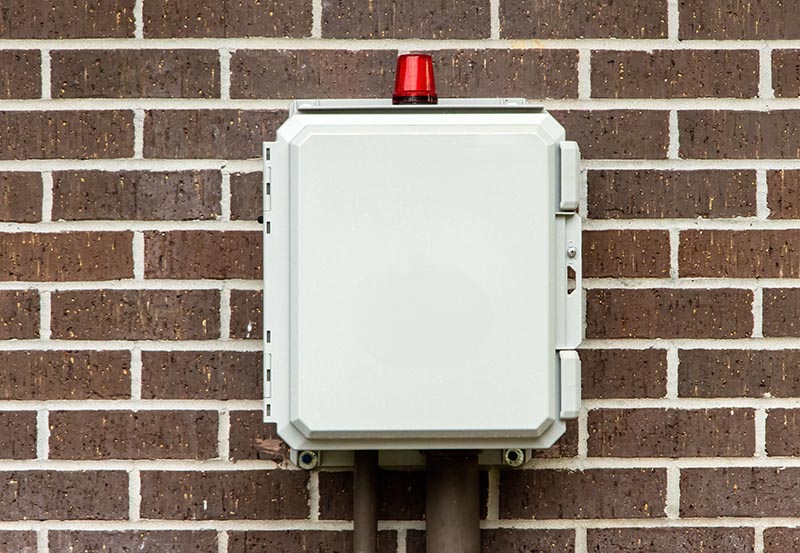
A septic alarm typically consists of a small, weather-resistant control box mounted on an exterior wall of your house, inside your home, or near the septic tank lids in your yard. It contains a circuit board, test and silence buttons, and indicator lights.
It sounds like a loud, high-pitched, steady buzzer or siren. Most alarms also have flashing red or yellow warning lights.
If your septic system in Springfield, PA, has a pump, it needs an alarm. If you own a gravity-driven system, it does not need an alarm.
Does My Alarm Sound When the Septic Tank Is Full?
The most common misconception about septic systems is that an alarm means your main septic tank is overfull and must be removed immediately.
Most septic alarms monitor liquid levels in the pump tank rather than a high level in your primary tank.
The alarm goes off when the pump tank level is above normal, indicating an electrical issue or a failure of the pump or float.
Common Reasons Your Septic Alarm Sounds
Here are the most frequent reasons a septic alarm sounds:
Pump Motor: Septic pumps work under harsh conditions. If the pump motor burns out, trips your home’s circuit breaker, or short-circuits, it stops pumping. Water continues to flow in from the house, filling the basin and triggering the alarm.
You can usually hear a hum or vibration from the pump tank area when your septic pump kicks on. If the alarm is sounding and you hear absolute silence when water is running in your home, the pump isn’t receiving water or has failed.
Float Switches: Float switches inside your pump basin ride on the water like bobbers, telling the pump when to turn on and off. A float switch that gets stuck on the side of the tank, tangled, or simply wears out, will falsely signal high water levels and set off the alarm.
Check Valve: The purpose of the check valve is to allow liquid to flow in one direction. It prevents backflow into the pump tank. If the check valve on your discharge pipe fails or becomes jammed with debris, water pumped out of the basin can flow back into the pump tank, causing the basin to fill up immediately.
Surge Damage: Lightning strikes, power outages, or electrical grid surges can damage the sensitive circuit board inside your septic control panel or trip the dedicated breaker for the pump.
What Should I Do When the Septic System Alarm Sounds?
If your septic alarm is on, follow these steps to minimize the risk of sewage backup:
Stop the Noise: Most control panels have an alarm silencing button. Pressing this will temporarily turn off the sound, while the warning lights remain on.
Conserve Water: Avoid running the dishwasher and washing machine until you resolve the septic system issue. Every gallon of water you send down the drain adds to the rising level in your pump tank.
Check Your Breakers: Look at your home’s electrical panel to see if a breaker has tripped. If it has, you can flip it back once. If it trips again immediately, stop and seek professional help. The tripped breaker indicates an electrical short.
Can I DIY Septic System Issues?
Working on a septic system involves confined spaces, heavy toxic gases, standing wastewater, and high-voltage electricity. Here’s what you can do yourself if your septic system alarm sounds:
- Check the electrical panel for a tripped breaker.
- Inspect the system control box for damage or a tripped reset button.
Our team of professionals at Del Val Septic, Sewer & Storm can diagnose the problem, repair it, and ensure your system is operating normally.
Call the Septic System Experts for Peace of Mind
Don’t guess why your septic alarm has gone off. Reach out to us at Del Val Septic, Sewer & Storm for septic system service in Springfield, PA. Our team can quickly diagnose whether you need a simple float switch replacement, a new pump, or a quick electrical repair to keep your home clean and your septic system running smoothly. Call us at (610) 947-4800 or request service online.