We Just Pumped It Yesterday!” Why Your Septic Tank Refills Right Away
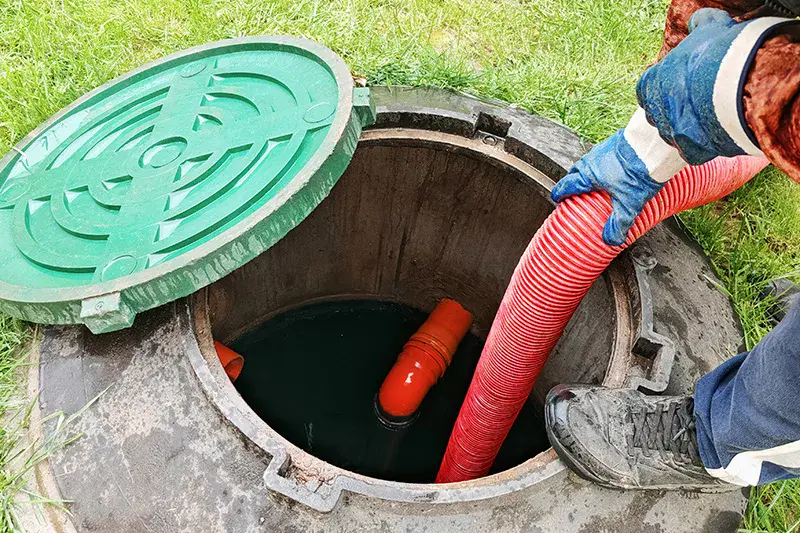
If your septic tank seems to refill shortly after septic pumping, you may wonder whether something went wrong. After all, you just paid Del Val Septic, Sewer & Storm, to have the tank emptied, so why is there already water in it?
The answer is simple: a septic tank is designed to hold liquid and normally returns to its operating level soon after pumping. Every time you shower, flush a toilet, run the washing machine, or use a sink, wastewater flows into the tank.
In other words, seeing liquid in your septic tank after pumping is usually normal and expected. Septic pumping is primarily performed to remove accumulated solids, not to keep the tank empty.
Here’s what homeowners in Springfield, PA, should know about septic tank levels, what septic pumping actually does, and which signs could indicate a problem.
Why Does a Septic Tank Refill After Pumping?
A septic tank is not a storage tank that is supposed to remain empty after service. It is an important part of your home’s wastewater treatment system. After septic pumping, wastewater from your home begins flowing into the tank again. As the liquid level rises, wastewater exits the tank through the outlet and flows toward the drain field.
Daily water use contributes to the tank’s liquid level, including:
- Showers and baths
- Toilet flushes
- Laundry
- Dishwashing
- Kitchen and bathroom sinks
Because of this constant flow, a tank can return to its normal operating level relatively quickly after pumping. How fast that happens depends on your household’s water use, tank size, and plumbing activity.
The important point: A septic tank containing liquid shortly after pumping is not, by itself, evidence that the tank has a problem.
What Does Septic Pumping Actually Remove?
One of the biggest misconceptions about septic pumping is that the service is intended to remove all the water from the tank. The primary purpose of pumping is to remove accumulated sludge and scum before excessive solids interfere with the septic system.
Inside a functioning septic tank, wastewater separates into three general layers:
- Scum: A layer of fats, oils, grease, and other floating materials at the top.
- Effluent: The liquid layer in the middle that can flow toward the drain field.
- Sludge: Heavier solids that settle to the bottom.
Bacteria inside the tank naturally break down some organic material, but solids continue to accumulate over time. Septic pumping removes the accumulated sludge and scum that cannot be adequately treated or carried out of the tank.
If too much sludge builds up, solids can potentially move toward the drain field. That can contribute to drainage problems and potentially expensive system damage.
So, when you see your septic tank filling with liquid after pumping, that is generally what the system is supposed to do.
How Quickly Can a Septic Tank Refill?
There isn’t one exact timeframe for every household.
A septic tank may begin receiving wastewater immediately after it has been pumped. Depending on household size and water consumption, the tank can regain a substantial amount of liquid relatively quickly.
For example, everyday activities can add significant amounts of wastewater:
- A standard showerhead uses 2.5 gallons of water per minute.
- Traditional washing machines can use up to 45 gallons of water per cycle, depending on the machine and settings; HE washing machines use up to 30.
- Modern dishwashers add another 5–7 gallons each cycle (older units can add 10+ gallons).
- Each toilet flush sends around 1–2 gallons of wastewater into the septic system.
A larger household or a home with heavy water usage will naturally refill a septic tank faster than a smaller household with lower water consumption. The speed at which liquid returns is less important than whether the wastewater is properly flowing out of the tank and through the drain field.
When Is a Fast-Refilling Septic Tank a Problem?
Refilling after septic pumping is normal.
However, a rapidly rising liquid level, accompanied by other symptoms, can indicate a problem that warrants professional attention. Contact Del Val Septic, Sewer & Storm if you notice:
- Multiple slow drains throughout the house
- Gurgling sounds from plumbing
- Toilets that bubble or drain poorly
- Sewage odors inside or outside the home
- Standing water or unusually wet areas near the drain field
- Unusually lush or rapidly growing vegetation over the drain field
- Sewage backing up into sinks, showers, or toilets
- A septic tank liquid level that appears unusually high or does not drain properly
Potential causes can include a restricted or damaged outlet, drain field problems, excessive wastewater entering the system, groundwater infiltration, or damaged plumbing. A full tank alone does not diagnose a septic problem.
One of our qualified septic professionals can inspect the tank, outlet components, and other parts of the system to determine whether the liquid level is normal.
Does Septic Pumping Empty the Tank Completely?
During professional septic pumping from Del Val Septic, Sewer & Storm, the tank is pumped to remove accumulated contents. However, the goal isn’t to leave the tank permanently empty.
Once wastewater from your home enters the tank again, the liquid level begins to rise.
That is why homeowners should not expect a septic tank to remain empty for days or weeks after pumping. A functioning septic system continuously receives wastewater and sends appropriately treated effluent toward the drain field.
If you check the tank after pumping and find liquid present, that does not necessarily mean the pumping service was unsuccessful.
How Often Should You Schedule Septic Pumping?
There is no universal pumping schedule that works for every home. Many residential septic systems need pumping every 3–5 years, but the appropriate interval depends on factors such as:
- Number of people living in the home
- Septic tank capacity
- Household water usage
- Amount of wastewater produced
- Use of a garbage disposal
- Age and condition of the septic system
- Accumulation of sludge and scum
Instead of relying solely on the calendar, Springfield, PA, homeowners should follow the pumping and inspection recommendations appropriate for their particular system.
Regular septic pumping helps control solids before they become a larger problem and is an important part of routine septic system maintenance.
6 Ways to Help Protect Your Septic System
Good daily habits can reduce unnecessary stress on your septic system and help maintain proper operation.
1. Use Water Efficiently
Excessive water entering the tank in a short period can place additional strain on the system. Repair leaking fixtures and consider spreading high-volume water use throughout the week.
2. Be Careful What You Flush
Toilet paper and human waste are generally what septic systems are designed to receive. Avoid flushing wipes, paper towels, feminine hygiene products, and other items that can cause blockages—even those marketed as “flushable.”
3. Keep Grease and Oils Out of the Drain
Fats, oils, and grease can contribute to plumbing and septic system problems. Dispose of cooking grease properly rather than pouring it down the sink.
4. Space Out Laundry
Running several large loads of laundry back-to-back can send a substantial amount of water into your septic system at once. Spreading loads throughout the week can help manage water flow.
5. Maintain Your Drain Field
Avoid driving vehicles or placing heavy structures over the drain field unless the system was specifically designed for that use. Keep an eye out for standing water, sewage odors, or other unusual changes.
6. Stay Current on Septic Maintenance
Routine inspections and septic pumping can help identify developing problems before they become major repairs.
Frequently Asked Questions About Septic Pumping
Why is my septic tank full again after pumping?
The tank is receiving wastewater from normal household activities such as showers, toilet flushing, laundry, and dishwashing. Septic pumping removes accumulated solids; it does not prevent wastewater from entering the tank again.
How long does it take for a septic tank to refill after pumping?
A septic tank begins receiving wastewater as soon as water is used inside the home. Depending on household size and water consumption, the tank can return toward its normal operating level quickly. There is no single refill time that applies to every septic system.
Is it normal to have water in a septic tank after pumping?
Yes. A septic tank is designed to contain liquid. Wastewater from the home enters the tank continuously, while effluent exits toward the drain field. Finding liquid in the tank after septic pumping does not automatically indicate a problem.
Does a full septic tank mean it needs to be pumped?
Not necessarily. A septic tank normally contains liquid. Pumping is needed when accumulated sludge and scum reach levels that require removal. If you’re concerned about the tank’s condition, a professional inspection can determine whether pumping or another service is appropriate.
What are the signs that my septic system may be failing?
Warning signs can include persistent slow drains, sewage backups, gurgling plumbing, sewage odors, standing water near the drain field, or unusually wet and lush areas around the system. These symptoms warrant professional evaluation.
Contact Del Val Septic, Sewer & Storm for Septic Issues or Concerns
If your septic tank contains liquid shortly after septic pumping, don’t assume something went wrong. A septic tank is designed to receive wastewater and maintain a normal liquid level as effluent leaves the tank for the drain field.
The purpose of routine septic pumping is primarily to remove accumulated solids before they interfere with the tank, outlet, or drain field. However, if a rising liquid level is accompanied by sewage backups, slow drains, odors, standing water, or other unusual symptoms, it’s worth having the system evaluated.
If you’re due for septic pumping or aren’t sure whether your septic system is operating properly, contact Del Val Septic, Sewer & Storm to schedule an inspection or service. We help homeowners in Springfield, PA, and the surrounding areas understand their septic systems, stay ahead of maintenance, and address potential problems before they become more costly.