
Backup Sump Pump Systems: Your Best Defense Against Flooding
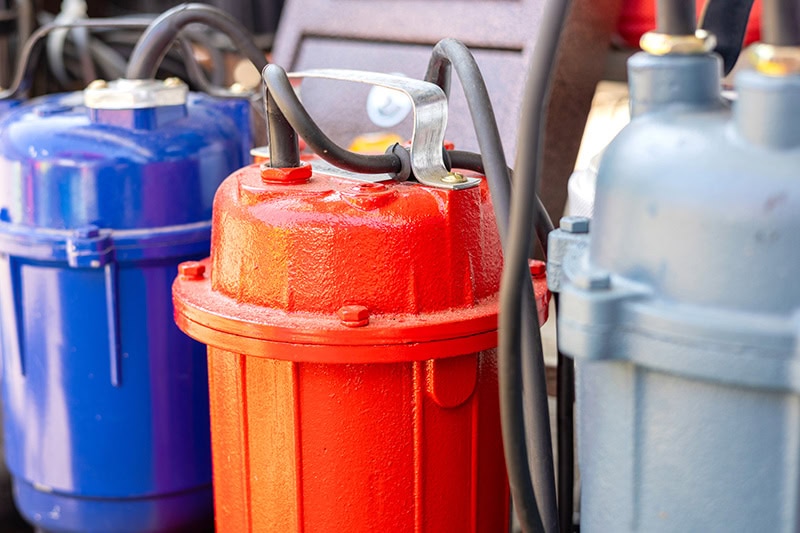
When heavy rain rolls into Springfield, PA, homeowners with basements or below-grade spaces have more to worry about than a little water in the yard. A sump pump can be one of the most important pieces of equipment protecting a property from groundwater intrusion—but what happens when the primary pump stops working?
That is where backup sump pumps come in.
A backup sump pump provides a second line of defense if the primary sump pump fails, becomes overwhelmed, or loses power. For properties that rely on a sump pump to keep water out, having a reliable backup system can help reduce the risk of flooding, water damage, and costly repairs.
At Del Val Septic, Sewer & Storm, we help homeowners understand their sump pump options so they can choose a system that fits their property and provides dependable protection when they need it most.
What Is a Backup Sump Pump?
A backup sump pump is just that, a secondary pump installed in or near the existing sump basin. It is designed to operate when the primary sump pump cannot keep up with incoming water or is unable to turn on for any reason.
The two pumps serve different roles. Your primary sump pump handles normal operation, while the backup sump pump is there for emergencies. In other words, a backup sump pump is not necessarily a replacement for your primary pump. It is an additional layer of protection.
Backup systems are particularly useful because sump pump failures can happen for several reasons, including:
- Power outages
- Primary pump motor failure
- A stuck or damaged float switch
- Clogged or frozen discharge piping
- An overwhelmed primary pump during heavy rainfall
- Mechanical or electrical problems
Why Backup Sump Pumps Matter During Power Outages
One of the biggest advantages of a backup sump pump is protection when the electricity goes out.
The severe storms that hit the greater Springfield, PA, area can bring both heavy rainfall and power interruptions—the exact combination that can create problems for a sump system. Even if your primary pump is relatively new and in good condition, it cannot operate without electricity unless it has an independent power source.
A battery-powered backup sump pump solves this problem by using a separate battery to operate a DC pump when the primary AC-powered pump is unavailable. Many systems use a deep-cycle battery designed for repeated charging and discharging.
Some modern systems also include alarms or monitoring features that can alert homeowners when there is a power outage, high-water condition, pump problem, or other issue.
Battery Backup Sump Pumps
Battery backup sump pumps are among the most common solutions for residential properties.
These systems typically include a secondary pump, a battery, a charger, a float switch, and the necessary plumbing connections.
When the water level in the sump basin reaches a predetermined level, or when the primary pump is unable to operate, the backup system activates.
Benefits of battery backup systems include:
- Operation during a power outage
- Automatic activation
- Compatibility with many existing sump pump installations
- No dependence on household AC power while operating on battery
- Optional alarm and monitoring features on some systems
Battery capacity and pump performance vary significantly between systems. A backup pump’s actual runtime depends on factors such as battery capacity, water inflow, pumping height, and how frequently the pump cycles. That’s why simply choosing the largest-looking battery or pump isn’t necessarily the right approach.
A plumbing professional can evaluate the sump basin, discharge piping, pumping distance, and expected water volume to determine what type of backup sump pump makes sense for the property.
Water-Powered Backup Sump Pumps
An alternative to a battery-powered backup sump pump is a water-powered one.
Instead of relying on electricity or a battery, these systems use municipal water pressure to operate a secondary pump. When activated, water-powered sump pumps use pressurized water to drain the sump basin.
The major advantage is that a water-powered system does not depend on a battery that can eventually discharge. However, it does require an appropriate municipal water supply and sufficient water pressure. Its performance also depends on the specific system and plumbing conditions.
Water-powered systems aren’t appropriate for every property, particularly homes that rely on a private well or properties where the available water pressure isn’t suitable. For that reason, a professional evaluation from Del Val Septic, Sewer & Storm is important before selecting a water-powered backup system.
Battery vs. Water-Powered Backup Sump Pumps
So, which type of backup sump pump is right for your property?
The answer depends on the home’s plumbing configuration, water supply, sump basin, expected water volume, available space, and other site-specific factors.
Neither option should automatically be considered the right choice for every home. A technician from Del Val Septic, Sewer & Storm can assess your existing sump system and explain which backup configuration is appropriate.
Don’t Forget Backup Sump Pump Maintenance
Installing a backup sump pump is only part of flood protection. Like your primary pump, the backup system needs to remain ready to operate when an emergency occurs.
For battery-powered systems, the battery should be inspected and maintained according to the manufacturer’s recommendations. The charger, wiring, pump, float switch, alarms, and discharge piping should also be checked periodically.
Manufacturers caution that backup batteries should be installed and maintained appropriately, and that the correct battery type matters for system performance.
It’s also important to periodically test the system rather than assuming it will work simply because it was installed correctly.
Who Should Consider a Backup Sump Pump?
A backup sump pump can be particularly valuable for properties where a sump pump failure could result in significant water damage.
Consider a backup system if your property:
- Has a finished basement
- Stores valuable belongings below ground level
- Experiences frequent heavy rainfall
- Has experienced basement flooding before
- Relies on a sump pump as its primary method of groundwater control
- Is in an area where power outages are common
- Has a home office, recreation room, or other valuable finished space below grade
For many homeowners near Springfield, PA, the purpose of a backup sump pump isn’t to eliminate every possible flooding risk. It’s to provide redundancy when the primary system isn’t available.
Professional Backup Sump Pump Installation in Springfield, PA
Your sump pump is designed to protect your property from unwanted water, but even a dependable primary pump can fail at the wrong time. A properly selected and installed backup sump pump provides an additional layer of protection when you need it most.
At Del Val Septic, Sewer & Storm, our team can evaluate your existing sump pump system, discuss battery and water-powered backup options, and help determine the appropriate solution for your property in Springfield, PA.
Don’t wait until the next major storm—or the next pump failure—to find out whether your home has enough protection. Contact us to learn more about backup sump pump installation and ways to strengthen your home’s defense against flooding. Call (484) 326-2042 or request service online.