
How Long Does a Septic System Last?
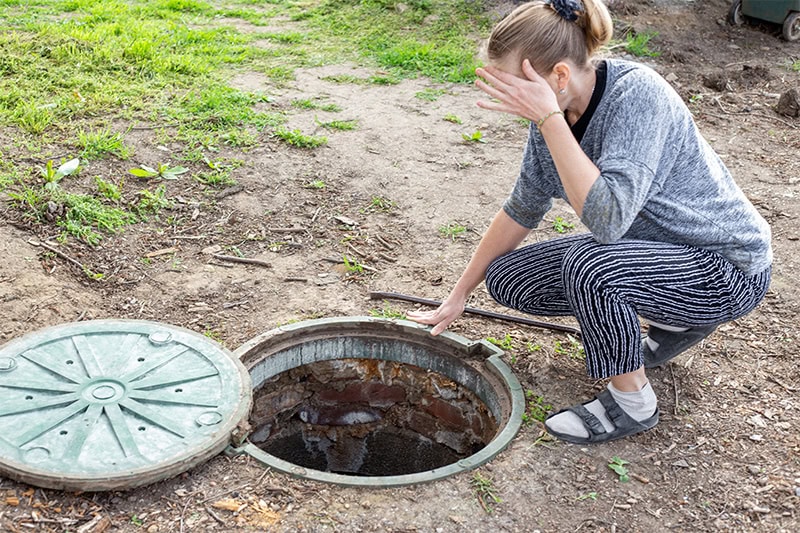
If you own a home in Springfield, PA, with a septic system, one question eventually comes up: How long does a septic system last?
The short answer is that there isn’t a set lifespan for septic systems, though at Del Val Septic, Sewer & Storm, we’ve seen many last up to 50 years or even longer. As cliché as it sounds, the lifespan of a septic system depends on several factors, such as the system’s materials, design, installation, service conditions, and whether maintenance was regularly performed.
That means the age of your septic system is important, but it’s only part of the story. A 35-year-old well-built concrete septic system that has been regularly inspected and pumped may be functioning well, while a 15-year-old system can develop problems if it was poorly designed, improperly installed, overloaded, or neglected.
What Determines How Long a Septic System Lasts?
A septic system is more than just a buried tank. It typically includes the septic tank, pipes, distribution components, and drain field. Each part can have a different service life.
Several factors affect the overall lifespan of a septic system:
- Installation Quality: Proper design and installation are critical to long-term performance.
- Tank Material: Concrete tanks can last 50 years or more under suitable conditions, according to the EPA, although older tanks may have construction issues. Plastic tanks made of polyethylene can last 20 to 40 years, sometimes longer.
- Drain Field Condition: A drain field can become less effective as biological material accumulates and soil conditions change.
- Household Size: More people generally means more wastewater and solids entering the system.
- Water Usage: Excessive or concentrated water use can overload a septic system.
- Maintenance: Routine inspections and timely pump-outs help prevent solids from moving into and damaging the drain field.
- Mechanical Components: Systems with pumps, controls, or advanced treatment equipment have additional components that eventually need service or replacement. Septic pumps and controls may need replacement every 10 to 20 years.
In other words, a septic system’s age doesn’t automatically mean it’s time for replacement. Its condition and performance matter just as much.
How Often Should a Septic System Be Inspected and Pumped?
Routine maintenance is one of the most important things a homeowner can do to extend the useful life of a septic system.
For optimal performance, Del Val Septic, Sewer & Storm recommends having a septic system inspected every 1 to 3 years and having the tank pumped approximately every 3 to 5 years. The right schedule varies based on tank size, household size, water use, and the amount of solids accumulating in the tank.
Systems with pumps or other mechanical components should have more frequent inspections to ensure parts aren’t wearing out or to identify them early, allowing timely repairs.
A professional inspection can identify developing problems before they turn into an expensive emergency. During an inspection, a septic professional may evaluate sludge and scum levels, check the tank and pipes for damage or leakage, inspect filters and mechanical components, and look for signs of drain field failure.
A timely pump-out is equally important. When solids accumulate too much in the tank, they can move toward the drain field and contribute to clogging and system failure.
If you don’t know when your septic tank was last pumped, that’s a good reason to schedule an inspection rather than waiting for a problem.
Signs Your Septic System May Be Failing
Septic problems don’t always begin with a dramatic sewage backup. Often, there are warning signs.
Watch for:
- Slow-draining sinks, showers, or tubs
- Toilets that gurgle or drain poorly
- Sewage backing up into the household plumbing
- Sewage odors near the tank or drain field
- Standing water or unusually damp areas over the septic system
- Bright green, unusually lush or spongy grass over the drain field
- Repeated plumbing problems despite otherwise normal household use
Don’t ignore these symptoms or assume they’re simply a clogged drain. A localized plumbing blockage and a failing septic system can look similar at first, so professional diagnosis is important.
When Is Septic Replacement Better Than Repair?
A septic problem doesn’t automatically mean you need an entirely new system.
Repair may make sense when the problem is limited to a specific component, such as a damaged pipe, a malfunctioning pump, an electrical component, or another repairable issue. Catching these problems early can potentially prevent more extensive damage.
Replacement or a major system upgrade may be necessary when the underlying system can no longer reliably treat and disperse wastewater. An aging drain field, significant structural tank damage, recurring failures, unsuitable site conditions, or extensive damage caused by years of neglect can all change the equation.
Age is another consideration. Homeowners with septic systems more than 25 to 30 years old should begin planning a replacement, as the system may be approaching the end of its useful life. That doesn’t mean every 25- or 30-year-old system must be replaced immediately; rather, it is a good time for a professional assessment and future expense planning.
How to Extend the Life of Your Septic System
Good daily habits can complement professional maintenance.
Use water efficiently, spread laundry and other high-water activities throughout the week, and avoid putting grease, oils, harsh chemicals, wipes, and other inappropriate materials down household drains. Protect the drain field from activities that could compact the soil or interfere with wastewater absorption.
Most importantly, keep a record of inspections, pump-outs, repairs, and other septic services. Maintenance records make it easier to understand the system’s history and can be especially valuable when buying or selling a home.
Protect Your Septic System Before There’s a Problem
So, how long does a septic system last? The answer may be a wide range of 15 to 50 years, but the actual lifespan depends heavily on installation, system design, materials, site conditions, household usage, and maintenance. Some components can last considerably longer, while pumps and other mechanical parts may require replacement much sooner.
The best way to get the most life from your septic system is not to wait for it to fail. Schedule routine inspections, pump the tank when needed, address warning signs promptly, and have an experienced septic professional evaluate aging components before a small problem becomes an early replacement.
If you’re unsure how old your septic system is, when it was last pumped, or whether the symptoms you’re seeing indicate a repair or replacement, Del Val Septic, Sewer & Storm can help evaluate the system and explain your options for your property in Springfield, PA. Call us today at (610) 947-4800 or request service online.